By: Sarah Elson
Published On: 4/17/2026
SPRING CLEANING:
How To Care For Your Favorite Fabrics
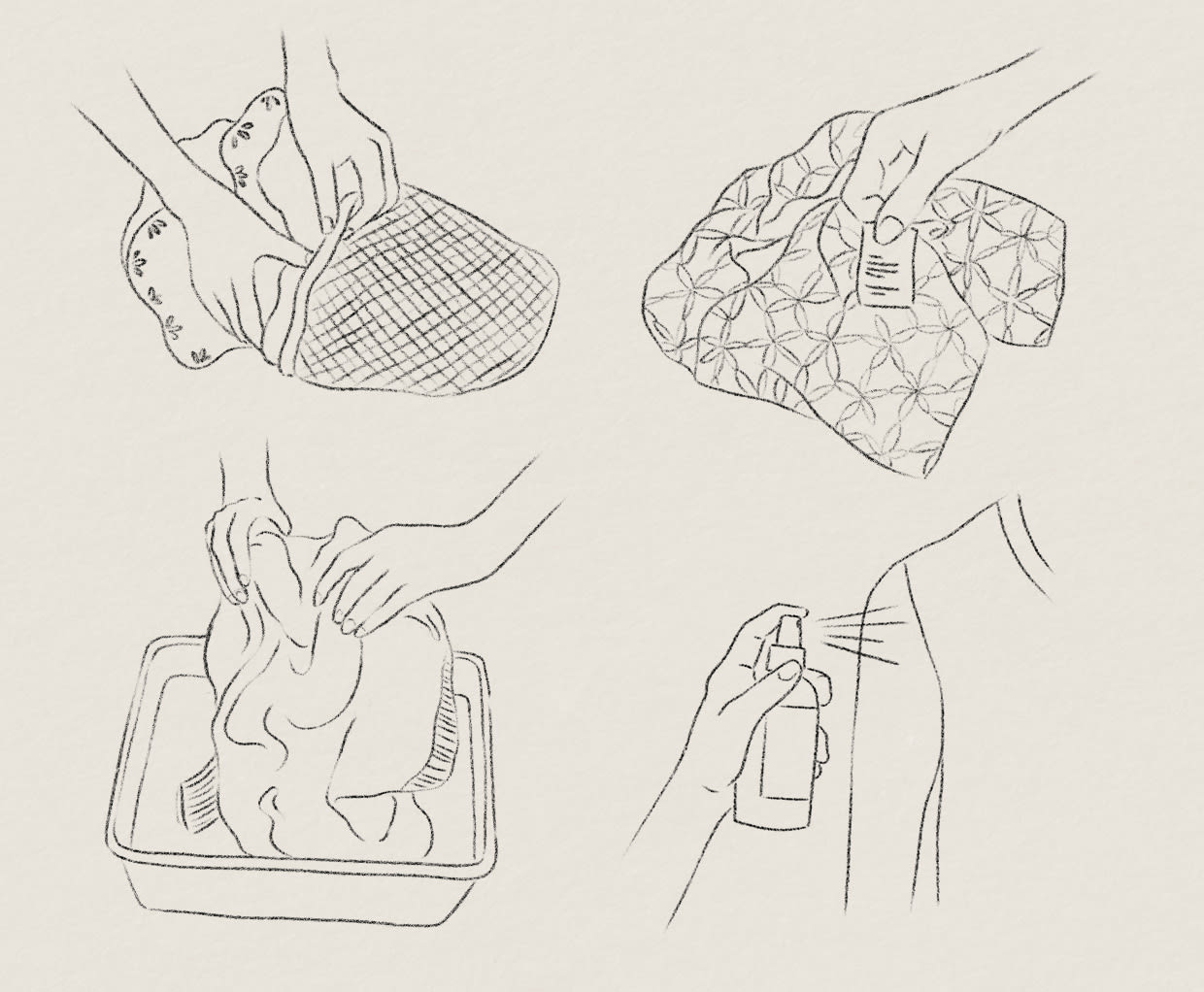
All you need to know to give your clothes “forever friend” status.
Rummaging through my closet, I can't help but spot a treasure trove of garments passed down from my mom and my grandmother. They are more than mere sweaters, scarves, or blazers; they are heirlooms. Because with their mindful care, these quality pieces have stood the test of time.
Investing in garments made from high-quality fabrics, and learning how to care for them, is important when it comes to building a durable, cost-effective wardrobe.
By learning how to preserve these garments, you can create your own heirloom pieces to pass down to future generations, one wash at a time. Understanding how to care for these quality pieces–like cashmere, wool, lace, linen, and delicates–is the first step toward ensuring they last for a long time to come.
Investing in garments made from high-quality fabrics, and learning how to care for them, is important when it comes to building a durable, cost-effective wardrobe.
By learning how to preserve these garments, you can create your own heirloom pieces to pass down to future generations, one wash at a time. Understanding how to care for these quality pieces–like cashmere, wool, lace, linen, and delicates–is the first step toward ensuring they last for a long time to come.
HOW TO CARE FOR WOOL
The best way to wash wool? Spoiler: don’t. It has naturally moisture-wicking and odor-resistant fibers, making it hard for dirt, oils, and moisture to stick to the garment. But no one’s perfect. While the best way to care for wool is to avoid washing it, your precious wool garments will usually encounter life's various stains.
HOW OFTEN SHOULD YOU WASH YOUR WOOL GARMENTS?
How frequently a wearer should wash their wool garments usually depends on the garment itself and how often they wear it. Garments, like wool coats, usually only require spot treatment, while pieces like sweaters should be washed once or twice a season.
HANDWASHING WOOL GARMENTS
Let’s focus on sweaters. Before washing, always, always, always check the garment’s care label first. This will tell you how best to care for the wool piece. However, handwashing is the best and gentlest way to clean wool at home, and it’s a great alternative to dry cleaning. This approach is more cost-effective in the long run, and certain dry-cleaning solvents can end up damaging the wool fibers.
-Start by submerging your wool garment in cool water (avoid hot water, as it will cause the fibers to shrink) with mild detergent. Some companies will also sell wool-specific detergent if you feel like getting technical.
G-ently mix the detergent and cool water, and add the garment to the mixture.
-Do not wring or scrub it; agitation will often damage the wool fibers. Instead, let the garment soak in the cool water for about 30 minutes.
-Once it’s done soaking, rinse by running cool water through the garment until no soapy bubbles remain, and again, avoid wringing the wool.
-After washing, roll the garment in a clean, dry towel, gently press out the excess water, and lay it on a flat surface to dry.
-Start by submerging your wool garment in cool water (avoid hot water, as it will cause the fibers to shrink) with mild detergent. Some companies will also sell wool-specific detergent if you feel like getting technical.
G-ently mix the detergent and cool water, and add the garment to the mixture.
-Do not wring or scrub it; agitation will often damage the wool fibers. Instead, let the garment soak in the cool water for about 30 minutes.
-Once it’s done soaking, rinse by running cool water through the garment until no soapy bubbles remain, and again, avoid wringing the wool.
-After washing, roll the garment in a clean, dry towel, gently press out the excess water, and lay it on a flat surface to dry.
CURATED FOR YOU: WOOL
HOW TO CARE FOR CASHMERE
Since cashmere is a wool derivative, handwashing
is the best way to care for it.
-First, fill a tub, sink, or basin with cool water, then add a gentle detergent.
-Submerge your cashmere garment in the water and gently swirl it in the mixture for about 30 seconds; then soak it for about 30 minutes.
-After washing, rinse the garment carefully with cool water, without agitating or scrubbing.
-Roll the garment in a clean towel to finish pressing out the excess water, then lay it flat to air dry.
-First, fill a tub, sink, or basin with cool water, then add a gentle detergent.
-Submerge your cashmere garment in the water and gently swirl it in the mixture for about 30 seconds; then soak it for about 30 minutes.
-After washing, rinse the garment carefully with cool water, without agitating or scrubbing.
-Roll the garment in a clean towel to finish pressing out the excess water, then lay it flat to air dry.
HOW TO STORE KNITS
Learning how to wash your wool and cashmere garments is just one facet of ensuring they last for decades. Another important way to care for your knits is learning how to store them properly.
-Before storing your knits, be mindful of two concerns: pests and humidity. Moths and mildew thrive in damp, dark places, so first, make sure your knits are clean and completely dry before putting them away.
-Store your knits by folding them (never hang) as you would a regular t-shirt, then place them in a cotton bag or box. Hanging knits on a coat hanger can often damage the fibers and cause them to lose their shape.
-Try placing cedar or lavender balls nearby; both are great at protecting knitwear from moths and moisture.
-Before storing your knits, be mindful of two concerns: pests and humidity. Moths and mildew thrive in damp, dark places, so first, make sure your knits are clean and completely dry before putting them away.
-Store your knits by folding them (never hang) as you would a regular t-shirt, then place them in a cotton bag or box. Hanging knits on a coat hanger can often damage the fibers and cause them to lose their shape.
-Try placing cedar or lavender balls nearby; both are great at protecting knitwear from moths and moisture.
CURATED FOR YOU: CASHMERE
HOW TO CARE FOR LINEN
Designed to be an airy, any-season essential, linen features breathable and lightweight qualities. Like wool and cashmere, linen is a delicate fiber, and frequent washing can wear it down over time. Try to avoid washing after every use, and only when needed, wash gently in a machine or by hand in cold water.
Before washing any garment, it’s important to check its laundry tag to ensure you care for it properly. This can help you avoid accidentally shrinking it in the wash or possibly subduing its color.
Linen garments that are made of a looser weave usually call for handwashing because they may be easily damaged in a washing machine.
Before washing any garment, it’s important to check its laundry tag to ensure you care for it properly. This can help you avoid accidentally shrinking it in the wash or possibly subduing its color.
Linen garments that are made of a looser weave usually call for handwashing because they may be easily damaged in a washing machine.
MACHINE-WASHING LINEN GARMENTS
For those of you who prefer the less labor-intensive route, or who own linen garments that call for a machine wash:
-Make sure to only wash with similar lightweight fabrics. Before throwing your linen garment in the washing machine, use lukewarm water, and select a gentle cycle.
-Obviously, machine-washing linen is a little less labor-intensive, but the real care comes afterward. Some recommend tumble-drying your linen garment on a low heat or delicate setting, but heat can often cause the fibers to break or even shrink.
-Air drying is the most gentle way to care for your garment. Lay the piece over a drying rack, avoiding clothespins, as that can stretch the garment or cause it to deform.
-If the linen is a little stiff, don’t worry, regular wear and washing will cause it to soften over time.
-Make sure to only wash with similar lightweight fabrics. Before throwing your linen garment in the washing machine, use lukewarm water, and select a gentle cycle.
-Obviously, machine-washing linen is a little less labor-intensive, but the real care comes afterward. Some recommend tumble-drying your linen garment on a low heat or delicate setting, but heat can often cause the fibers to break or even shrink.
-Air drying is the most gentle way to care for your garment. Lay the piece over a drying rack, avoiding clothespins, as that can stretch the garment or cause it to deform.
-If the linen is a little stiff, don’t worry, regular wear and washing will cause it to soften over time.
CURATED FOR YOU: LINEN
HOW TO CARE FOR SILK
How long your silk will last always comes down to how you care for it. Silk is a delicate fiber with moisture-wicking and insulating properties, making it great in both warm and cool temperatures. Unlike wool and cashmere, silk benefits from frequent washing, ideally after each wear, to help the fiber last longer. This is because silk retains odors and stains more easily than other fabrics.
It’s always suggested to check the care label before washing. For silk, this is highly recommended. But if you find yourself without a laundry label, try the scrunch test. You can test the quality of a silk garment by scrunching it, then releasing it. If the garment stays crinkled, it’s best to go ahead and visit a dry cleaner. If it smoothes out or releases the scrunch, this is your sign to proceed with handwashing.
It’s always suggested to check the care label before washing. For silk, this is highly recommended. But if you find yourself without a laundry label, try the scrunch test. You can test the quality of a silk garment by scrunching it, then releasing it. If the garment stays crinkled, it’s best to go ahead and visit a dry cleaner. If it smoothes out or releases the scrunch, this is your sign to proceed with handwashing.
HANDWASHING SILK GARMENTS
-To care for your silk garment, fill a basin with cold water. It’s not recommended to use your sink or tub, as leftover mineral deposits or soap from things like shampoo can damage your garment.
-Add gentle detergent to the basin and let the silk soak for three minutes.
-After the garment is finished soaking, agitate it by gently pulling the silk up and down in the water to remove any dirt.
Then rinse carefully in cool water, without wringing or twisting, making sure all the soap has been washed away.
-Place the silk garment in a clean, dry towel, using it to soak up the excess water.
-After you’re done, hang the garment on a drying rack and let it air-dry.
-Add gentle detergent to the basin and let the silk soak for three minutes.
-After the garment is finished soaking, agitate it by gently pulling the silk up and down in the water to remove any dirt.
Then rinse carefully in cool water, without wringing or twisting, making sure all the soap has been washed away.
-Place the silk garment in a clean, dry towel, using it to soak up the excess water.
-After you’re done, hang the garment on a drying rack and let it air-dry.
MACHINE-WASHING SILK GARMENTS
It might come as a surprise, but you can actually wash certain silk pieces in a machine, though this is primarily recommended for sleepwear.
-Before washing, place the silk garment in a mesh bag to prevent snags and tears, then wash it in cold water on a delicate cycle.
-After it’s done, gently pat out the excess water with a clean, dry towel, then hang it to air-dry.
-Before washing, place the silk garment in a mesh bag to prevent snags and tears, then wash it in cold water on a delicate cycle.
-After it’s done, gently pat out the excess water with a clean, dry towel, then hang it to air-dry.
CURATED FOR YOU: SILK
HOW TO CARE FOR SUEDE
Suede is a fabric that’s best left to the professionals. Avoid washing it; instead, take your suede to a dry cleaner once a year for proper care. No need to clean it after each wear, as that can damage the suede and rack up unnecessary costs.
While dry cleaning is much less labor-intensive, there are still steps you can take to preserve your suede clothes better. That old saying, “prevention is better than a cure,” is in fact true. To help maintain the quality of the suede, consider investing in a protector spray to keep water, dirt, and stains away. Note that this protector will eventually wear off, so after taking your suede to the dry cleaner for your yearly visit, reapply the spray.
For a more in-depth education on how to easily care for your favorite suede clothing items, take a look at our full blog.
While dry cleaning is much less labor-intensive, there are still steps you can take to preserve your suede clothes better. That old saying, “prevention is better than a cure,” is in fact true. To help maintain the quality of the suede, consider investing in a protector spray to keep water, dirt, and stains away. Note that this protector will eventually wear off, so after taking your suede to the dry cleaner for your yearly visit, reapply the spray.
For a more in-depth education on how to easily care for your favorite suede clothing items, take a look at our full blog.
CURATED FOR YOU: SUEDE
HOW TO CARE FOR LACE
Lace may seem like a daunting fabric to wash; however, figuring out how to care for it often depends on the garment's fiber content.
First, check the garment tag; it should list what the lace is made of and how to wash it properly. If it's made of cotton or linen, proceed with handwashing. For lace made from synthetic fibers, machine washing is fine.
First, check the garment tag; it should list what the lace is made of and how to wash it properly. If it's made of cotton or linen, proceed with handwashing. For lace made from synthetic fibers, machine washing is fine.
HANDWASHING LACE GARMENTS
-For handwashing, fill a sink or basin with cool water and add a small amount of mild detergent.
-Soak the lace for 30 minutes, then gently swirl the garment in the water to remove dirt without scrubbing.
-After washing, rinse carefully with cool water multiple times to ensure all detergent is gone.
-Once you’re done rinsing, roll the lace in a clean towel and press out the excess water, then lay flat to dry.
-Soak the lace for 30 minutes, then gently swirl the garment in the water to remove dirt without scrubbing.
-After washing, rinse carefully with cool water multiple times to ensure all detergent is gone.
-Once you’re done rinsing, roll the lace in a clean towel and press out the excess water, then lay flat to dry.
MACHINE-WASHING LACE GARMENTS
For machine-washing synthetic lace, place it in a mesh bag and wash it in cold water on a gentle cycle with similar delicates, then, like with handwashing, lay the garment flat to air-dry.
CURATED FOR YOU: LACE
HOW TO CARE FOR EMBELLISHED GARMENTS
Embellished garments are great because they add a touch of sparkle to your wardrobe, so let’s learn how to care for them properly. Before washing, check the fabric care label first. If the garment recommends dry cleaning, proceed.
HANDWASHING EMBELLISHED GARMENTS
For the laundry labels that suggest hand washing, this is the safest and best option for caring for your embellished items at home.
-First, add cool water and mild detergent to a basin or sink. Turn the garment inside out and place it in the water.
-Gently agitate to distribute the solution, then submerge the item and swirl the water with your hands.
-After, soak the garment for 30 minutes.
-Once it’s done soaking, rinse well with cool water until the soap has been fully rinsed out
-Avoid wringing; instead, press out the excess water before air-drying flat.
-First, add cool water and mild detergent to a basin or sink. Turn the garment inside out and place it in the water.
-Gently agitate to distribute the solution, then submerge the item and swirl the water with your hands.
-After, soak the garment for 30 minutes.
-Once it’s done soaking, rinse well with cool water until the soap has been fully rinsed out
-Avoid wringing; instead, press out the excess water before air-drying flat.
MACHINE-WASHING EMBELLISHED GARMENTS
Some embellished garments can be thrown into a washing machine. If the care tag calls for it, place the item inside-out in a mesh garment bag and wash in cold water on a delicate setting. Like with handwashing, lay the garment flat to air-dry.
CURATED FOR YOU: EMBELLISHMENTS
HOW TO CARE FOR CROCHETED GARMENTS
Let’s tackle your crocheted garments. Caring for crocheted pieces is similar to caring for wool and cashmere garments. Meaning they should only be washed when absolutely necessary. To avoid shrinking them in the wash, handwashing is always your best bet. And remember, avoid heat and always, always, always wash in cool water with a gentle detergent.
HANDWASHING CROCHETED GARMENTS
-Once you’ve added cool water and detergent to a sink or basin, swirl your hands through the water to ensure the soap is evenly distributed.
-Submerge the crocheted item and leave it to soak for about 10 minutes.
-After soaking, swish and press the garment in the solution without wringing or scrubbing.
-Then rinse the garment with clean, cool water until the basin is free of suds.
-Once the water is clean, drain the basin and carefully press out the excess water from the garment. Keep in mind that you want to preserve the garment's structure, so don’t squeeze it too hard.
-Then roll the crocheted item into a clean towel, and continue pressing out the excess water.
-Most crocheted pieces are loosely made, and hanging the garment while it’s still damp can cause it to stretch and lose its shape. Instead, lay the garment flat and allow it to air dry.
-Submerge the crocheted item and leave it to soak for about 10 minutes.
-After soaking, swish and press the garment in the solution without wringing or scrubbing.
-Then rinse the garment with clean, cool water until the basin is free of suds.
-Once the water is clean, drain the basin and carefully press out the excess water from the garment. Keep in mind that you want to preserve the garment's structure, so don’t squeeze it too hard.
-Then roll the crocheted item into a clean towel, and continue pressing out the excess water.
-Most crocheted pieces are loosely made, and hanging the garment while it’s still damp can cause it to stretch and lose its shape. Instead, lay the garment flat and allow it to air dry.
CURATED FOR YOU: CROCHET
The moral of this story? When in doubt, always handwash. In the long run, it’s better for you, the garment, and your wallet. Sometimes handwashing can seem labor-intensive, but most of the pieces listed above that require a gentle hand wash only need to be washed every so often. Except for silk, as it’s a temperamental little fiber.
Learning how to care for your higher-quality garments will result in a beautiful closet you’ll own for decades to come. And as always, check the care tag first!
Learning how to care for your higher-quality garments will result in a beautiful closet you’ll own for decades to come. And as always, check the care tag first!
MORE TO READ
9/12/25 | EASILY SUEDE:
How To Care For – And Keep – This Season’s Essential Fabric
Ready to be “suede”?
2/27/26 | HELP, DELIVERED:
What Is A Capsule Wardrobe? And How Do I Get One?
Here’s what we suggest for your year-round styling must-haves.
3/2/26 | FILE UNDER “D”:
The Official We The Free Denim Dictionary
Because if you’re gonna have them forever, you should know them like the back of your hand...