By: Elizabeth Rakow
Published On: 5/15/2026
RATED U FOR UPF:
Why Does My Clothing Need Sun Protection?
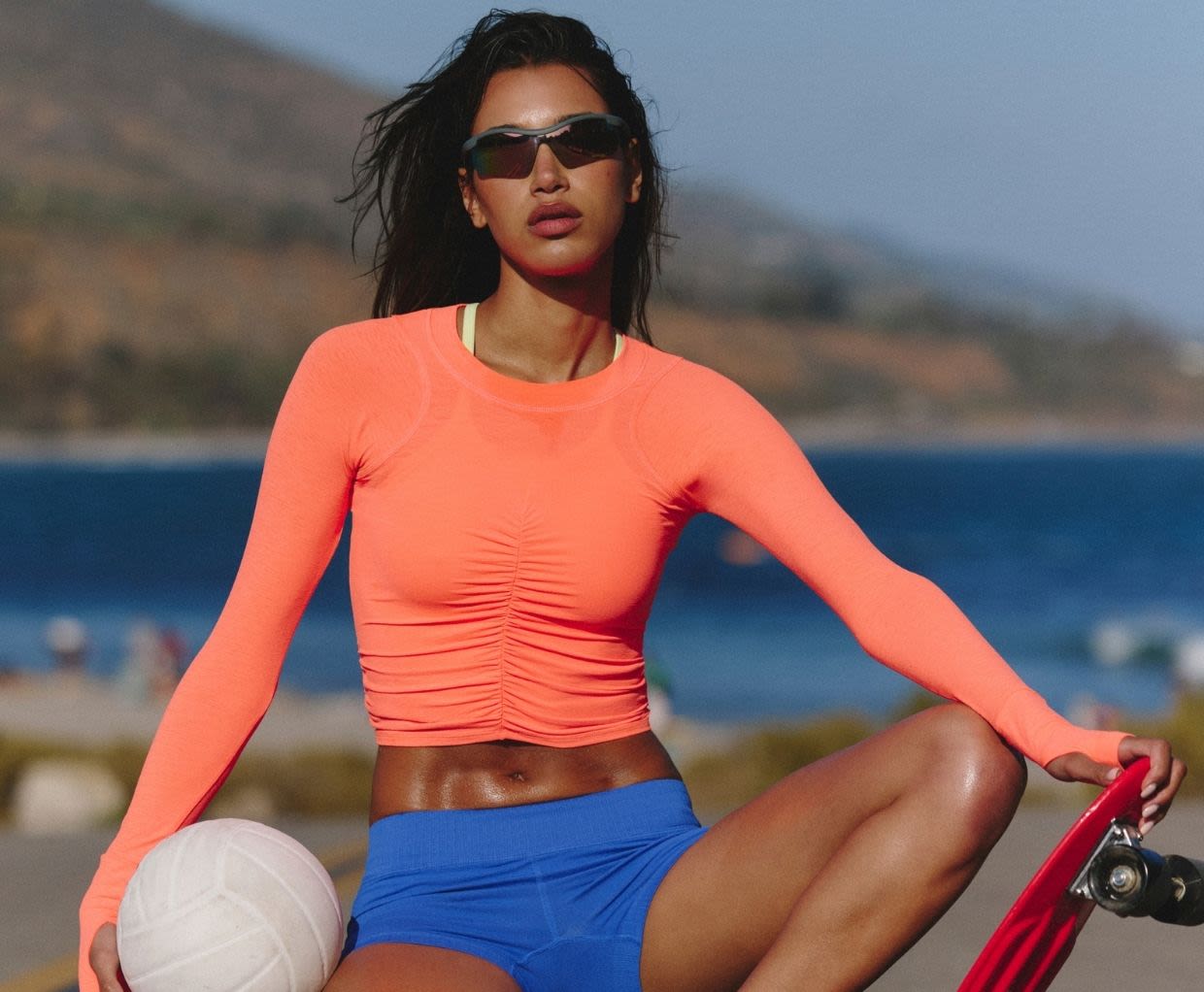
Is just wearing sunscreen enough?
In most cases, yes. But when it comes to long days spent in the sun, you might be wise to consider a little more protection. Whether you’re stocking up on performance essentials for your summer run club, planning on some destination hikes with very little shade, or just interested in taking your personal sun protection to the next level, UPF-rated clothing utilizes specialized treatments, tighter fabric weaves, and engineered dyes to create a more effective barrier between you and the (beautiful, warming, wonderful, but potentially harmful) sun.
What Is UPF Clothing
In most cases, yes. But when it comes to long days spent in the sun, you might be wise to consider a little more protection.
Whether you’re stocking up on performance essentials for your summer run club, planning on some destination hikes with very little shade, or just interested in taking your personal sun protection to the next level, UPF-rated clothing utilizes specialized treatments, tighter fabric weaves, and engineered dyes to create a more effective barrier between you and the (beautiful, warming, wonderful, but potentially harmful) sun.
The degree of a UPF rating tells you how much UV radiation is blocked from passing through the fabric. The breakdown is pretty simple:
UPF (Ultraviolet Protection Factor) applies only to clothing and fabric and is a measure of that fabric’s physical blocking power. It can protect against both UVA rays (long-wave, deeply penetrating, responsible for wrinkles, skin aging, and long term damage) and UVB rays (short-wave, damage the surface, responsible for sunburn or blistering).
SPF (Sun Protection Factor) applies only to topical lotions, sprays, and cosmetics and is a measure of how long it takes for sunscreen to protect your skin from reddening. Primarily protecting only against UVB rays, SPF measures how much longer your skin can be exposed to the sun before burning compared to unprotected skin.
Whether you’re stocking up on performance essentials for your summer run club, planning on some destination hikes with very little shade, or just interested in taking your personal sun protection to the next level, UPF-rated clothing utilizes specialized treatments, tighter fabric weaves, and engineered dyes to create a more effective barrier between you and the (beautiful, warming, wonderful, but potentially harmful) sun.
What Do Different UPF Ratings Mean?
The degree of a UPF rating tells you how much UV radiation is blocked from passing through the fabric. The breakdown is pretty simple:
- UPF 15–20 protection → good protection (about 93–95% UV blocked)
- UPF 25–35 protection → very good protection (96–97% UV blocked)
- UPF 40–50+ protection → excellent protection (98%+ UV blocked)
UPF vs. SPF
UPF (Ultraviolet Protection Factor) applies only to clothing and fabric and is a measure of that fabric’s physical blocking power. It can protect against both UVA rays (long-wave, deeply penetrating, responsible for wrinkles, skin aging, and long term damage) and UVB rays (short-wave, damage the surface, responsible for sunburn or blistering).
SPF (Sun Protection Factor) applies only to topical lotions, sprays, and cosmetics and is a measure of how long it takes for sunscreen to protect your skin from reddening. Primarily protecting only against UVB rays, SPF measures how much longer your skin can be exposed to the sun before burning compared to unprotected skin.
Why Should I Choose Clothing With UPF If I Already Wear Sunscreen?
Do you need to wear UPF clothing every day? Of course not (although, we’re not going to object if that’s what you’d prefer)! UPF-rated styles are best employed when your sun exposure is at a maximum (think beach weekends, summer afternoon runs, a long day trekking through a sunny theme park, hiking on high-exposure trails). Wearing non-UPF-rated fabrics can allow harmful UV rays to seep through, causing sunburns, aging, and even increasing the risk of skin cancer.
Top 3 Reasons for Wearing UPF-Rated Clothing
Stronger Sun Protection
While a standard tee might only have a UPF of around 5, a UPF-rated top will typically range from 15-50, providing much more protection and in turn, decreasing your risk of sunburn.
Prevents Premature Skin Aging
According to The Skin Cancer Foundation, 90% of skin aging is caused by sun damage. Sun protective clothing can help limit that exposure and the ongoing deterioration of skin proteins.
Convenient + Reliable
While sunscreen requires consistent re-application every few hours, UPF-rated clothing provides longstanding protection that holds strong all day long. Plus, when you’ve had more than your fair share of sun, throwing on a UPF-rated top can feel like a much-needed respite.
Top-Rated (+ UPF-Rated) Styles
MORE TO CATCH RAYS IN
MORE TO READ
3/21/25 | SURFING THE NET
This Women-Led and -Run Surfwear Brand Has Us Hooked
Women wave riders, rejoice.
8/1/25 | LYTE ME UP
The True Benefits of Electrolytes & Which Ones to Choose
Hydration at maximum speed? You’ve got our attention.
3/27/26 | WELLNESS 101:
In Summary…Your Skin Needs a Spring Reset
Your face shouldn’t get all the attention.